AI security agent for your perimeter

Automatically verify every contractor, visitor, and trucker before arrival, and gain real-time visibility of everyone on-site across every location.

Aquafin
World Forum The Hague
Alpro
Vopak
AS Watson
TVH
Umicore
PSA International
Danone
Atlas Copco
Covestro
European Space Agency
FrieslandCampina
Pfizer
Puratos
SABIC
Suntory

How it works

From arrival to global visibility

The platform owns the full arrival lifecycle, from remote onboarding to gate clearance and estate-wide visibility. Each stage feeds the next, so nothing is re-keyed.

  1. Step 1

    Invite and onboard

    Invite the company for the job, and they assign their team. Every person uploads documents, training, and forms on their own device, before they travel to site.

    Talk to an expert
  2. Step 2

    AI verification engine

    Company and individual credentials, sanctions screening, and site rules are evaluated automatically, with a go / no-go decision.

    Talk to an expert
  3. Step 3

    Gate clearance

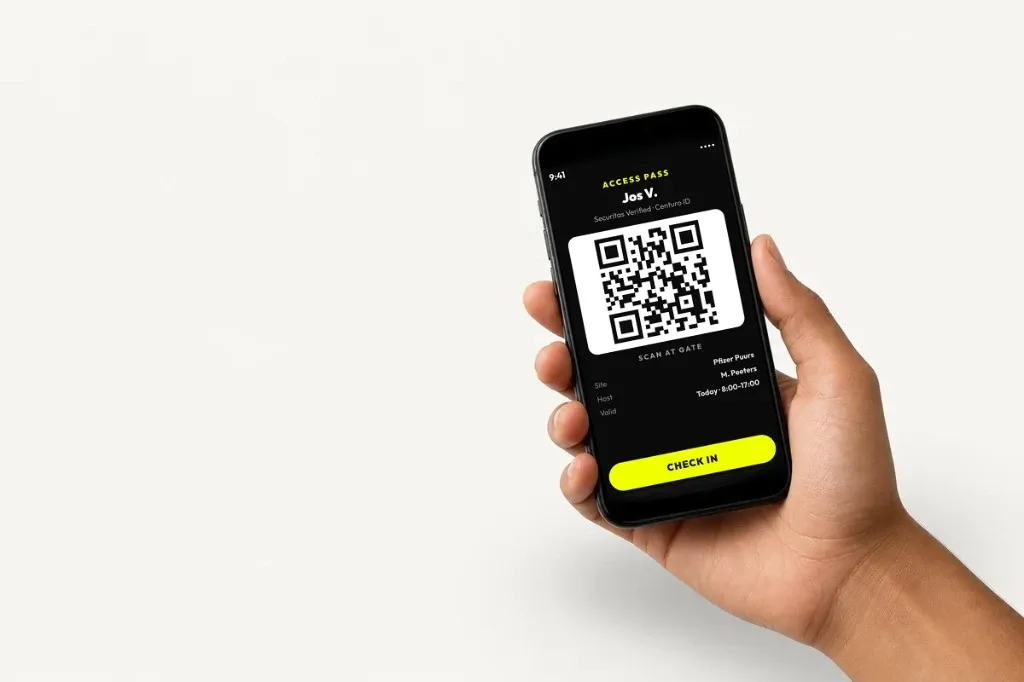
    At the gate, cleared arrivals scan a QR code. That's it. No manual data entry, no waiting. 9ID signals your access hardware to open.

    Talk to an expert
  4. Step 4

    See who is on-site globally

    Corporate teams and site managers get a live dashboard across every location: who's on-site, which zones they're cleared for, and what's still pending. Guards work from a focused gate interface for check-in and clearance.

    Talk to an expert
AI verification, multi-layer security

At company and individual level, the AI security agent verifies uploaded documents, cross-checks credentials for consistency, and searches third-party databases. Both layers must pass before anyone is cleared for site access.

Uploaded documents
Third-party databases
  • ID document
  • Live face match
  • Compliance documents
  • Work permit
  • VCA certification
  • Safety certificates & site induction
  • Sanctions screening
  • Block list
  • and more...

Enterprise foundation

Built for regulated industrial sites

Role-specific portals, enterprise authentication, and full audit logging, so security and compliance teams trust the platform as much as operations does.

Role-specific portals

Site admins, company managers, guards, and workers each get their own view, with permissions scoped to what their job requires.

Enterprise authentication

SAML single sign-on and API keys integrate with your identity providers and secure system-to-system access to the platform.

GDPR-ready by design

Configurable data retention and right-to-be-forgotten workflows are built into the platform for GDPR compliance.

Audit everything

Every login, approval, check-in, and configuration change is logged with immutable timestamps and exportable audit trails.

Visit the Trust Center →

See how it works on your site

Walk through a live demo with your arrival types, zones, and compliance requirements. We will show you the product, not a slide deck.

Get a demo

FAQs

Discover answers to common questions
about 9ID's AI security agent.

What does the 9ID platform do end to end?

9ID owns the full arrival lifecycle: invite and onboard companies and workers remotely, run AI verification at individual and company level, clear people at the gate via QR scan, and give live global visibility of who is on-site. Each stage feeds the next, so data is not re-keyed between onboarding, verification, and access control.

How does remote onboarding work?

A site invites the company for a job; the company assigns its team. Each person uploads documents, training records, and forms on their own device before traveling to site. Onboarding is profile-specific for contractors, visitors, and truckers.

What does the AI verification engine check?

9ID verifies at two layers. Individual checks include ID documents, live face match, compliance documents, work permits, safety certificates, site induction, sanctions screening, and block lists. Company checks include VAT validation, business registration, insurance, ISO certification, approved vendor lists, UBO checks, and sanctions screening. Both layers must pass before anyone is cleared.

How does 9ID verify credentials and check third-party databases?

9ID first confirms that uploaded credentials belong to the person arriving: document parsing, consistency checks across submissions, and live face match against the ID photo. It then runs third-party database checks through integrated services to validate that documents are genuine and current, including sanctions lists, insurance status, VAT registration, and other registry lookups. That combination catches falsified documents, expired coverage, and blocked entities before anyone reaches the gate.

What happens at the gate when someone arrives?

Cleared arrivals scan a QR code at the kiosk or gate. No manual data entry and no queue at the perimeter. 9ID performs a final real-time check and signals your access hardware (gates, turnstiles, doors) to open. Check-in at the gate takes about 20 seconds because verification was completed before arrival.

What visibility do corporate teams get?

Corporate teams and site managers see a live dashboard across every location: who is on-site, which zones each person is cleared for, compliance status, and pending items. Access logs and reports are exportable for audits and operations.

Does 9ID integrate with gates and existing access systems?

Yes. 9ID connects to physical access (gates, turnstiles, door controllers, kiosks, badge printers) via APIs and webhooks. It supports SAML SSO, REST APIs, and API keys for identity providers and operational systems. 9ID is the verification layer for site entry; it works with your existing perimeter, not around it.

What enterprise features does 9ID include?

Role-specific portals for site admins, company managers, guards, and workers; SAML SSO and API keys; GDPR-ready data retention and right-to-be-forgotten workflows; and immutable audit logs for every login, approval, check-in, and configuration change.

How do customers typically roll out 9ID?

Most customers land on one site with every access profile and immediate visibility of who is on-site. Then they scale out the same foundation across locations. Finally they scale deep by adding social compliance, safety training, and country-specific requirements when ready, turning layers on at their own pace.